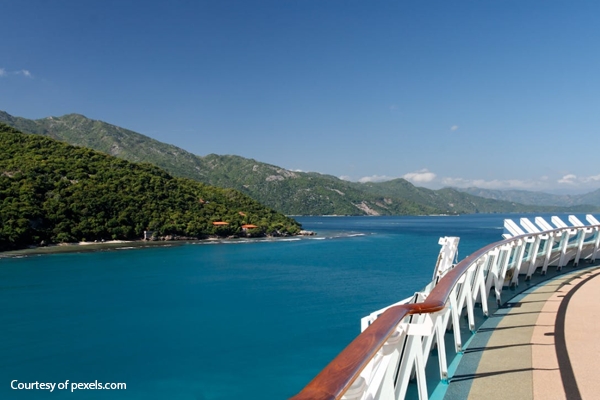
Royal Caribbean Cruises has suspended all stops at its private port in Labadee, Haiti, through April 2026, citing rising security risks. The decision follows a U.S. State Department advisory issued July 15, which designates Haiti as a “do not travel” destination due to escalating threats including kidnapping, civil unrest, and limited access to healthcare.
“We’ve paused upcoming visits out of an abundance of caution,” a Royal Caribbean spokesperson told Fox News, adding that the company is in direct communication with affected guests.
Labadee, nestled on Haiti’s northern coast, has long been promoted as a secluded tropical escape—its coral reefs and beaches featured in 41 Royal Caribbean itineraries. The port, while privately operated and guarded, remains tethered to the broader realities of Haiti’s instability.
The suspension comes at a time when cruise demand is booming. AAA forecasts 19 million Americans will cruise in 2025, with the Caribbean remaining the top destination. Industry analyst Stewart Chiron, known as “The Cruise Guy,” expects another record-breaking year, citing strong interest in Caribbean, Alaskan, and European routes.
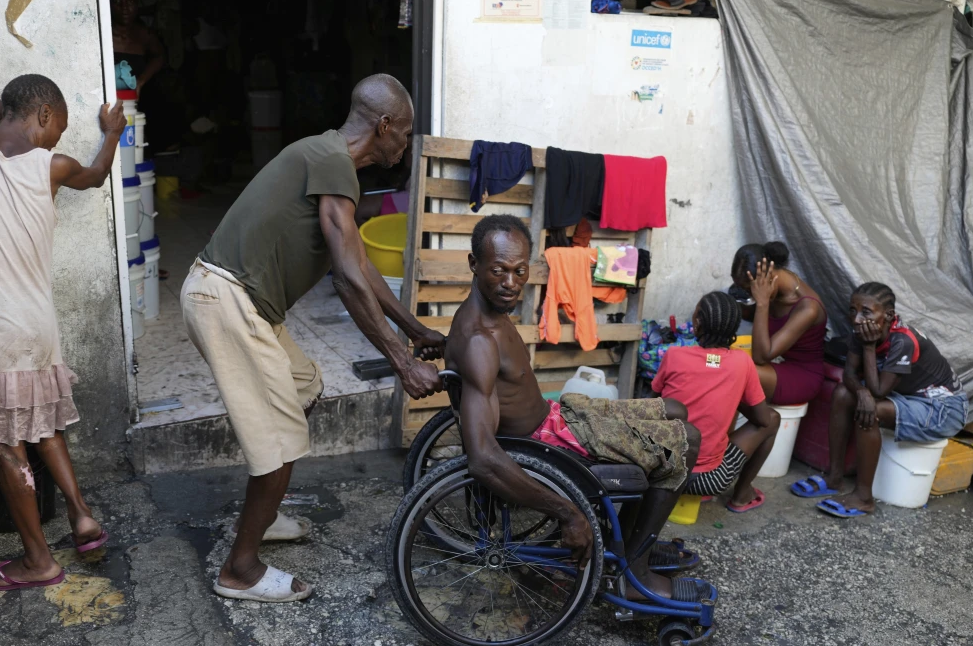
But for Haiti, the pause underscores a painful disconnect: while global tourism surges, local vendors, tour guides, and service workers in Labadee face an abrupt loss of income. The port is one of Haiti’s few international cruise stops, and its closure reverberates through the local economy.
“It’s hard,” said Mecca Grimo Marcelin, a cultural ambassador and advocate for Haitian tourism. “Even if Labadee is private and secure, it still feels close to the danger we hear about. I understand the caution—but it hurts the people who depend on those ships.”
Marcelin emphasized the broader consequences: “This is the domino effect of insecurity. The locals lose income, and Haiti’s economy doesn’t benefit from the tourism it desperately needs.”
For the Haitian diaspora, the move is another reminder of how political instability continues to ripple outward—affecting perceptions abroad and deepening economic strain at home. Families often rely on remittances to offset losses when tourism falters.
Royal Caribbean’s decision highlights the tension between traveler safety and economic survival. As ships bypass Labadee, the absence is felt not just in missed excursions—but in livelihoods put on hold.